As a design and tiling professional with over a decade of experience, I understand how bathroom tile choices affect durability, safety, and resale value. The right tile can make a small space feel larger, resist moisture, and withstand daily wear. This guide helps homeowners weigh options and plan a lasting installation that looks great year after year.
Choosing the Right Bathroom Tile
Material options vary in durability, maintenance, and aesthetics. Here are the main categories you will encounter in most bathrooms.
Ceramic Tile
Ceramic tile is affordable, lightweight, and easy to cut. It works well on walls and in light to moderate foot traffic floors. Glazed ceramic offers vibrant color and stain resistance, but it is more porous than porcelain and may chip under heavy impact.
Porcelain Tile
Porcelain is a dense, water resistant option suitable for floors and showers. Through body or glazed options provide high durability and long life, with a generally higher price but fewer maintenance concerns. Porcelain handles moisture and cleaning well, making it a versatile choice for busy bathrooms.
Natural Stone
Marble, travertine, slate, and other stones bring luxury and natural variation. They require regular sealing and more attention to spills. Some stones stain or etch with acids, so reserve them for walls or low-traffic floors when possible. If you adore stone, consider a stone-look porcelain or ceramic as a durable alternative.
Glass Tile
Glass tiles add light, depth, and a modern feel. They are excellent as backsplashes and accent walls, and they resist moisture well. However, glass can be slippery on floors and is typically more costly per square foot, so use it strategically.
Cement and Large-Format Tiles
Concrete look tiles and large-format options offer a contemporary vibe with fewer grout lines. They require skilled installation to prevent cracking and may need sealing depending on the material. Large formats can create a seamless floor or wall, but layout accuracy is essential.
Key Considerations When Selecting Bathroom Tile
- Moisture resistance and waterproofing requirements
- Slip resistance for floors (look for a suitable COF rating)
- Maintenance needs and stain resistance
- Color, texture, and how grout color affects the look
- Tile size and layout to influence space perception
- Budget and long term durability
Design Ideas by Style
Style helps determine tile choice and installation details. Here are common directions and how to execute them.
Modern Minimalist
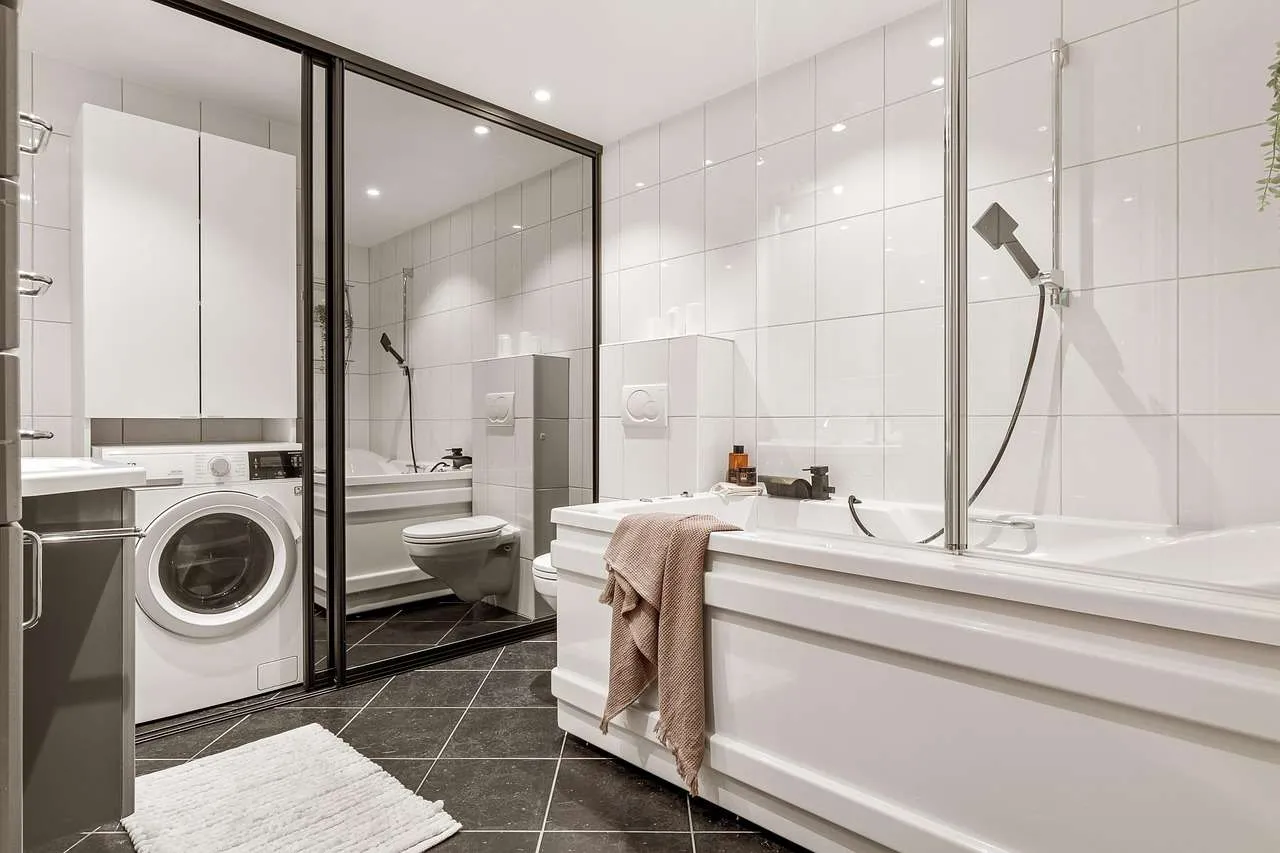
Choose large-format, neutral tiles in shades like white, gray, or beige. Minimal grout lines and a single, dark grout can emphasize clean lines. Matte finishes reduce glare and resistance to showing water marks on walls.
Classic Subway
White or soft gray 3x6 or 4x8 tiles with crisp, dark grout create a timeless look. Pair with a matching or complementary wall tile, and consider a darker floor for contrast.
Rustic Natural Stone Look
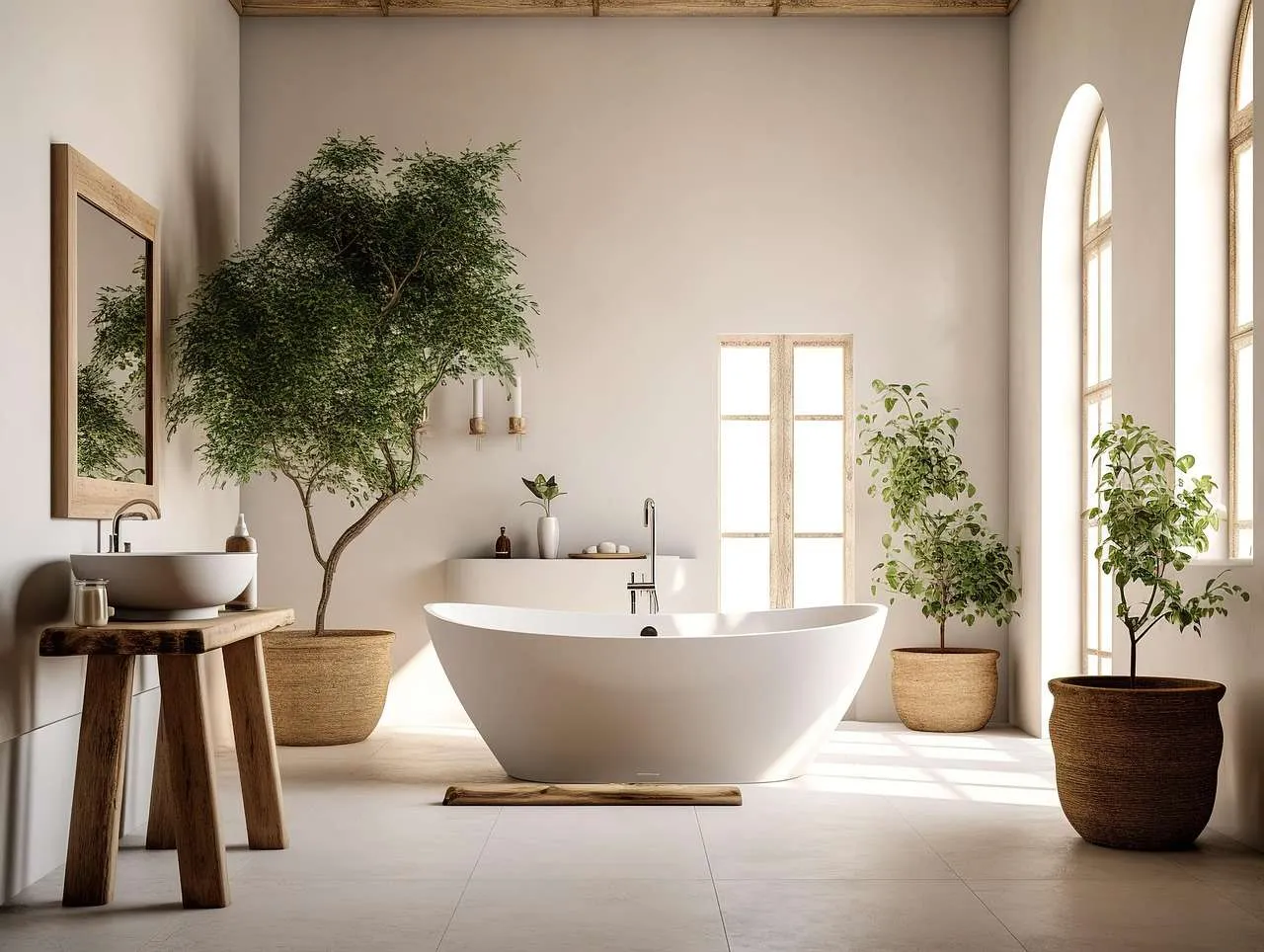
Use stone or stone-look tiles for warmth and texture. Seal stone surfaces to protect against stains, and pair with warm wood or muted colors for a cohesive feel. Opt for traditional patterns on walls rather than floors to balance maintenance with aesthetics.
Coastal Blues
Soft blue tiles, aquamarine accents, and white grout mirror sea air and sunshine. Glass mosaics or linear slim tiles can evoke oceanic movement while keeping the space light.
Luxurious Marble-Look
Marble or marble-look porcelain creates a high end feel without the maintenance risk of real marble. Select water and slip resistance appropriate for floors and ensure proper sealing for natural stone variants.
Installation and Maintenance Basics
Proper installation and ongoing care safeguard durability and appearance. Here are the essential steps and tips you should know.
Surface Preparation and Waterproofing
Start with a clean, flat substrate free of cracks. In wet areas such as showers, install a waterproof membrane or job-specific backer board behind the tile to protect framing and structure. Use a quality thinset mortar suited for the intended surface type.
Layout Planning
Dry lay tiles to confirm pattern and cuts before committing. Consider the visual impact of starting points, especially at doors and focal walls. Choose grout color that either matches for a seamless look or contrasts to highlight tile patterns.
Grout and Sealants
Epoxy grout offers excellent stain resistance and cleaning ease, ideal for busy bathrooms; cementitious grout with a proper sealer works well for most installations. Seal natural stone or cement tiles as recommended by the manufacturer to protect against moisture and staining.
Maintenance Tips
Regular cleaning with a pH-neutral cleanser prevents soap scum buildup. Avoid acidic cleaners on natural stone. Re-seal porous tiles as directed by the product manufacturer and address grout wear or cracks promptly to prevent water infiltration.
Comparison Table: Tile Materials
| Material | Pros | Cons | Best Use | Maintenance |
|---|---|---|---|---|
| Ceramic | Affordable, versatile | More porous than porcelain | Walls and light use floors | Low to moderate maintenance |
| Porcelain | Very durable, water resistant | Heavier and pricier | Floors, showers | Easy to clean, long lasting |
| Natural Stone | Luxurious, unique patterns | Requires sealing, potential etching | Bathrooms walls, upscale spaces | Seal and reseal as needed |
| Glass | Bright, non-porous | Slippery on floors, higher cost | Backsplashes, accents | Simple cleaning, non absorbent |
| Cement/Large Format | Contemporary look, fewer grout lines | Requires skilled installation | Kitchens, modern bathrooms | Seal as required by product |
Conclusion
Conclusion, selecting the right bathroom tile blends durability with design. By weighing material options, layout, and maintenance needs, you can achieve a space that is attractive, safe, and long lasting while staying within budget.