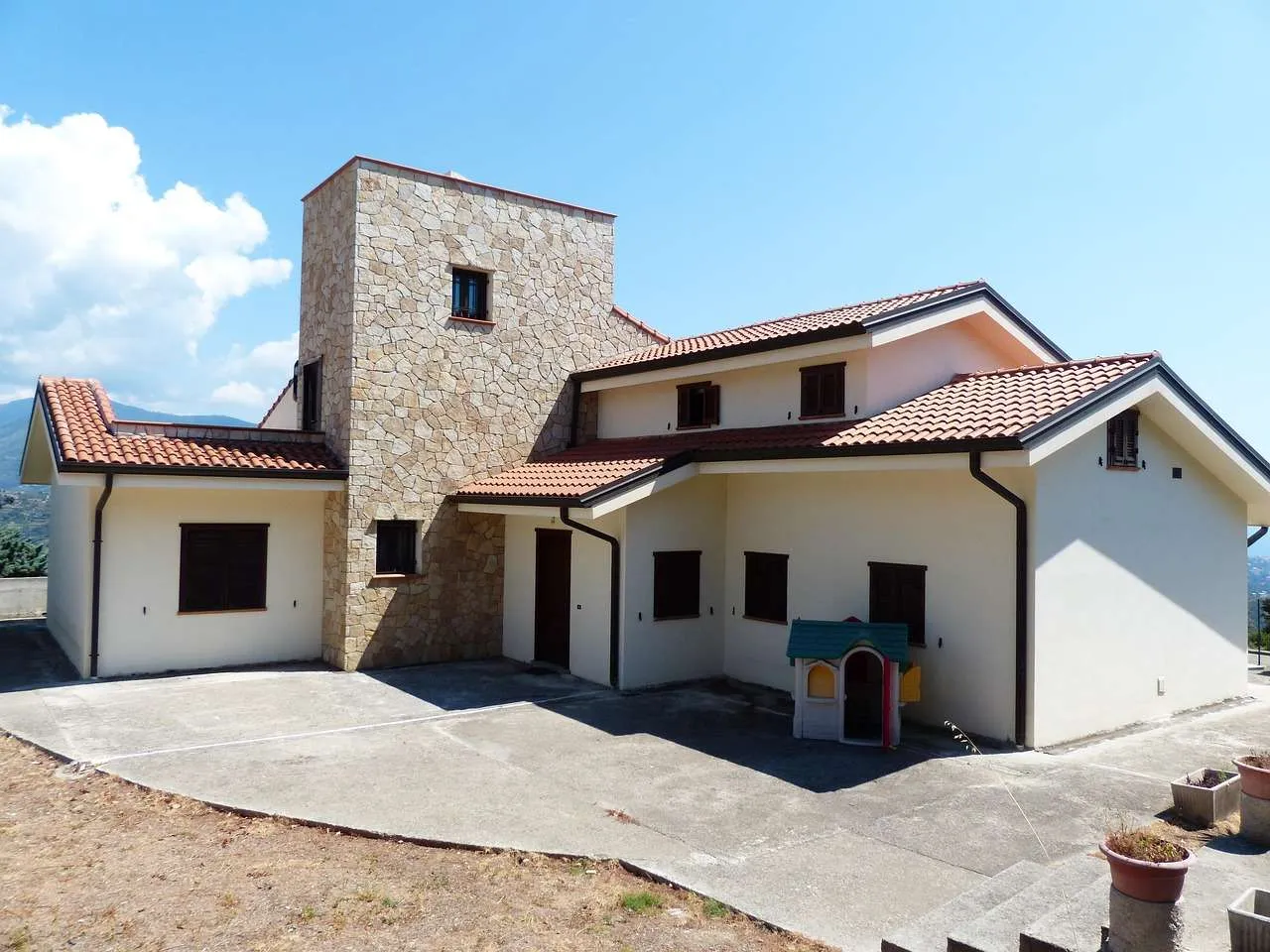
Repair of roofing is a critical task that protects homes from water intrusion, energy loss, and structural damage. This guide explains how to identify problems, differentiate between repair and replacement, and hire qualified professionals.
Understanding the Scope of Repair of Roofing
Roofing systems are built to last, but weather, age, and maintenance gaps create common issues. Shingle curling, blistering, cracked flashing, missing granules, and leaks signal a repair may be needed. A proper assessment considers the roof age, material type, attic ventilation, and the extent of damage.
Common Roofing Problems Requiring Repair
- Leaks around chimneys, vents, and flashing
- Aging shingles with curling or missing granules
- Damaged flashing or ridge caps
- Blocked gutters causing edge damage
- Ice damming and condensation in cold climates
DIY vs Professional Roof Repair
Minor issues may be addressed by a skilled homeowner, but many repairs require safety equipment and working at height. Professional roofers have liability insurance, training, and access to quality materials. Attempting risky repairs without protection can void warranties and create bigger problems.
Materials and Techniques
Repair approaches vary by material. For asphalt shingles, replacing damaged shingles and resealing flashings is common. Metal roofs may need reseaming and panel work. Tile roofs often require re-bedding and re-pointing. A qualified roofer will select methods that preserve warranty and ensure weatherproofing.
Estimating Costs and Timing
Costs depend on roof size, material, accessibility, and damage extent. Quick fixes are cheaper than extensive repairs. Always obtain written estimates and verify whether estimates include labor, materials, disposal, and permit fees if required.
| Repair Type | Typical Cost Range | Longevity | Pros | Cons |
|---|---|---|---|---|
| Minor Shingle Repair | 100–400 USD | 5–7 years | Low cost, quick fix | Temporary if problems recur |
| Flashing Repair | 200–600 USD | 7–15 years | Stops leaks at joints | May require additional work |
| Full Shingle Replacement | 300–1000 USD | 10–20 years | Good for multiple damaged shingles | More expensive than patch |
| Roof Edge and Ridge Work | 400–1500 USD | 10–20 years | Prevents water intrusion | Labor intensive |
When to Repair vs When to Replace
Repair is sensible for isolated, non-structural issues or when the roof is relatively new. If the roof is approaching the end of its lifespan, or if multiple areas require frequent repairs, replacement may be more cost effective in the long run. A professional assessment helps balance short term savings against long term durability.
Maintenance to Extend Roof Life
Regular inspections, cleaning gutters, removing debris, ensuring attic ventilation, and addressing moss or algae growth quickly extend life. Address ice damming promptly in cold climates. Keeping the roof clean and maintained reduces the frequency and cost of repairs.
Choosing a Trusted Roofing Contractor
EEAT matters: look for licensed, insured professionals with a track record in your area. Request references, verify licenses, and confirm warranties on labor and materials. A written contract should outline scope, timeline, and payment terms. Compare multiple estimates and avoid unusually low bids that may compromise materials or safety.
Checklist for Hiring
- Licensed and insured workers
- Clear written warranty
- Detailed estimate with line items
- Proof of prior work and customer reviews
- Safety practices and scaffold or ladder standards
Internal quality controls, such as site cleanliness, debris disposal, and post repair inspection, demonstrate a contractor's commitment to long term performance and customer satisfaction. For complex projects, consider a roof consultant or third party inspection to verify workmanship and material compatibility.
Summary, this guide covers common repair needs, cost considerations, professional options, and maintenance steps to extend your roofing life and protect your home.